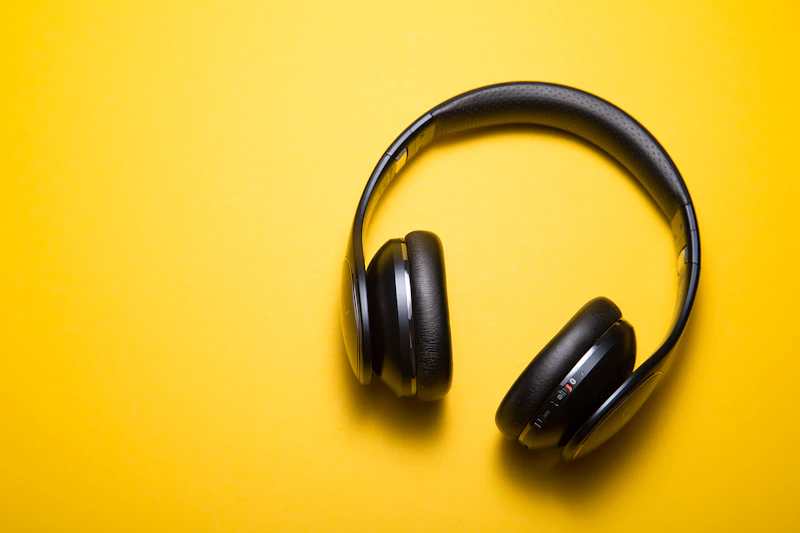
Whether you are surviving a transatlantic red-eye flight, concentrating in an open-plan corporate office, or tuning out train commuter noise, premium Active Noise Cancelling (ANC) headphones have become an indispensable modern survival tool. However, acoustic silence is not created equal. Understanding the mechanics of frequency cancellation, wireless codec bandwidth, and headband ergonomic pressure is essential to finding headphones you can wear for 8 hours without fatigue.
1. The Physics of Silence: How Modern ANC Actually Works
Active Noise Cancellation is not a physical barrier; it is an active acoustic battle. External feedforward microphones detect ambient acoustic soundwaves (such as the low rumble of a jet turbofan or subway tracks). An onboard dedicated digital signal processor (DSP) analyzes the frequency in microseconds and generates an inverted phase anti-sound wave (an acoustic mirror image shifted 180 degrees). When the external noise wave and the inverted anti-wave meet inside your ear canal, destructive interference cancels both, leaving blissful silence.
Top-tier headphones utilize Hybrid ANC, combining both external feedforward mics and internal feedback microphones situated inside the ear cup. This dual-sensor array monitors both outside ambient noise and the exact sound arriving at your eardrum, making real-time micro-adjustments 700,000 times per second.
2. Frequency Bands: Rumbles vs High-Pitched Voices
It is vital to understand what ANC can and cannot cancel:
- Low Frequencies (20Hz – 400Hz): Consistent, repetitive drone noises—airplane engines, air conditioner compressors, bus engines, train tracks—are canceled almost completely (up to 95% to 98% reduction).
- Mid & High Frequencies (500Hz – 4,000Hz): Human conversation, crying infants, and clattering silverware are erratic and sharp. ANC processors cannot predict these instantaneous spikes. Here, passive physical seal (the density of the ear cushion memory foam and clamping seal) does the heavy lifting.
| Headphone Tier | Noise Cancellation (dB) | Supported High-Res Codecs | Battery Life (ANC On) | Comfort & Clamping Force |
|---|---|---|---|---|
| Flagship Travel Titans | 38dB – 42dB Attenuation | LDAC, aptX Adaptive, AAC | 30 – 40 Hours | Ultra-Plush (Light Clamping, <4.2N) |
| Upper Mid-Range | 32dB – 36dB Attenuation | LDAC, AAC, SBC | 45 – 60 Hours | Very Comfortable (Moderate Clamping) |
| Budget Daily Commuter | 22dB – 28dB Attenuation | AAC, SBC Only | 25 – 35 Hours | Firm Clamping (Can Cause Ear Heat) |
3. Wireless Bluetooth Codecs: Bandwidth vs Compression
Standard Bluetooth transmission compresses high-fidelity music into lossy formats. To unlock the full depth of high-resolution lossless streaming services (such as Apple Music Lossless, Tidal, or Qobuz), your headphones and playback device must support advanced codecs:
- Sony LDAC: Delivers up to 990 kbps bandwidth, transmitting 24-bit/96kHz high-resolution audio over Bluetooth with remarkable dynamic nuance.
- Qualcomm aptX Lossless: Transmits CD-quality 16-bit/44.1kHz audio bit-for-bit without lossy compression artifacts.
- AAC (Apple Standard): The default codec for iPhones and iPads. While capped at 256 kbps, Apple\'s psychoacoustic encoding algorithms deliver clean, musical performance on iOS devices.
4. Ergonomics: Clamping Force & Cushion Materials
The best ANC technology in the world is useless if the headphones cause aching headaches after 45 minutes. Pay careful attention to headband clamping force (measured in Newtons) and weight distribution. Premium models weigh between 240g and 290g, utilizing breathable protein synthetic leather wrapping slow-rebound memory foam that accommodates eyeglasses without breaking the acoustic seal.
High-Value Headphone Qualities
- Multipoint Bluetooth pairing to connect laptop and phone simultaneously.
- Natural, un-muffled Transparency Mode with side-tone voice feedback.
- Physical button controls or reliable capacitive swipe pads.
- Rapid USB-C fast charging (5 minutes charge = 4 hours playback).
Common Annoyances to Avoid
- "Eardrum suck" sensation caused by poorly tuned, aggressive low-end ANC pressure.
- Cheap plastic swivel hinges that snap or squeak with head movement.
- Microphone arrays that pick up howling wind during outdoor phone calls.
- Absence of a 3.5mm analog audio cable for legacy airplane in-flight entertainment.
Frequent Traveler Tips
- Airplane Adapter Included: Verify that the package includes an airplane dual-prong audio adapter or purchase one separately for transatlantic travel.
- Foldable Hinges: If carry-on luggage space is tight, look for headphones with folding swivel yokes that collapse into compact travel cases.
Frequently Asked Questions
The BuyGuides Verdict
For frequent business travelers and daily commuters seeking maximum silence and lightweight comfort, Sony WH-1000XM5 and Bose QuietComfort Ultra remain the supreme travel kings. For audiophiles who value luxurious aluminum/leather craftsmanship and pristine acoustic precision, Sennheiser Momentum 4 or Apple AirPods Max deliver unmatched audio depth.